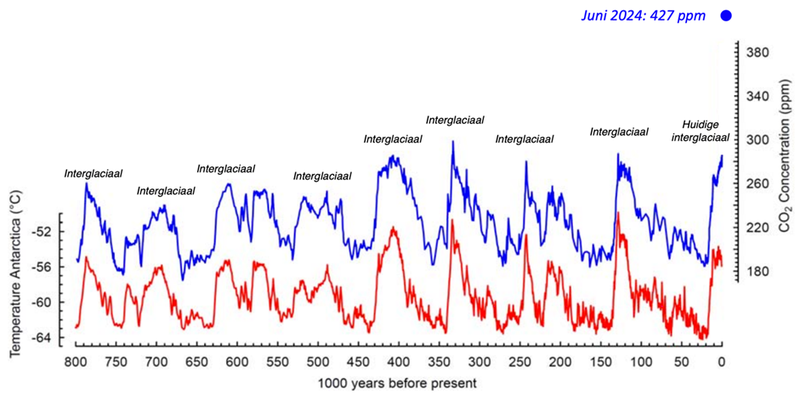
Dit lijkt in eerste instantie vreemd, maar het is toch wat we zouden verwachten. Dit komt door de Milankovitch cycli, langzame veranderingen over duizenden jaren in de stand van de aardas en de vorm en ligging van de baan van de aarde rond de zon, die het begin en het einde van ijstijden in gang zetten [4]. Ze veroorzaken weliswaar nauwelijks variaties in de totale hoeveelheid zonnestraling die de aarde ontvangt, maar wel relatief kleine veranderingen in de verdeling van zonnestraling over het aardoppervlak en over de seizoenen. De regionale temperatuurveranderingen die hieruit volgen, activeren positieve terugkoppelingen in het klimaatsysteem. Deze terugkoppelingen versterken de kleine veranderingen en luiden daarmee de start of het einde van een ijstijd in.
De CO₂ concentratie in de atmosfeer speelt bij deze terugkoppelingen een cruciale rol [5]. Als bijvoorbeeld aan het begin van een ijstijd ijskappen gaan groeien en de zeespiegel daalt, onttrekt de begroeiing van het nieuwe landoppervlak CO₂ aan de atmosfeer. Bovendien absorbeert kouder oceaanwater effectiever CO₂ uit de atmosfeer. In beide gevallen daalt de CO₂ concentratie in de atmosfeer en koelt deze verder af, waardoor de ijstijd zich verdiept. Ook andere terugkoppelingen zijn actief, bijvoorbeeld als het albedo (de reflectiviteit van de aarde) verandert. Bij het aflopen van de laatste ijstijd speelde de ijs-albedo terugkoppeling een even grote rol als CO₂ [6]. Een aarde met minder ijs absorbeert immers meer zonnestraling, hetgeen de opwarming versterkt.
Nieuwe inzichten
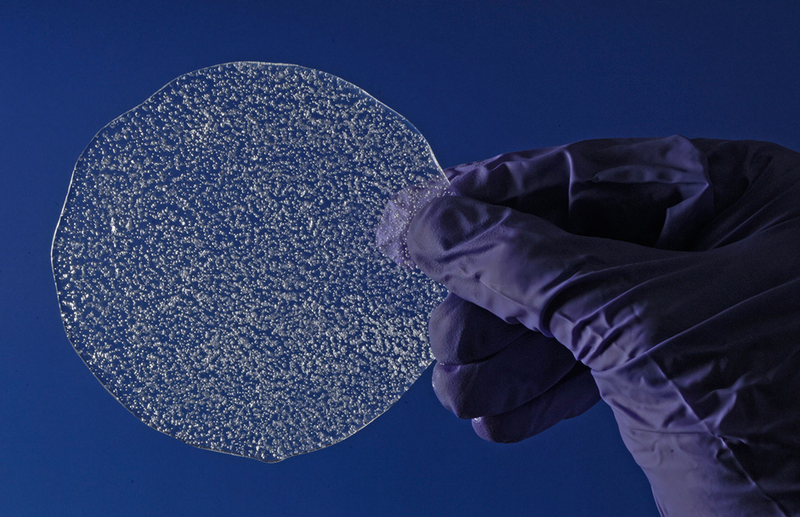
Recent onderzoek zet overigens vraagtekens bij de bevinding dat aan het einde van een ijstijd de temperatuurstijging eeuwen voorloopt op de toename van CO₂. Om de temperatuur uit een ijskern te bepalen gebruiken onderzoekers de fysische samenstelling van het ijs rondom de luchtbelletjes [7]. Maar er zit een behoorlijke periode tussen het tijdstip dat de sneeuw valt (het temperatuursignaal) en het moment dat de luchtbelletjes zich op diepte vormen (het CO₂ signaal). Voor dit leeftijdsverschil ('delta-age'), dat ook nog eens verandert met het klimaat, moet worden gecorrigeerd. In het droge binnenland van Antarctica kan deze correctie tijdens ijstijden oplopen tot enkele duizenden jaren [8]. Door voortschrijdende wetenschappelijke kennis is deze correctie steeds nauwkeuriger bepaald. In recente studies blijft van het faseverschil tussen temperatuur en CO₂ concentratie nog maar weinig over [9]: ze zijn blijkbaar nog nauwer verweven dan we eerder al dachten.
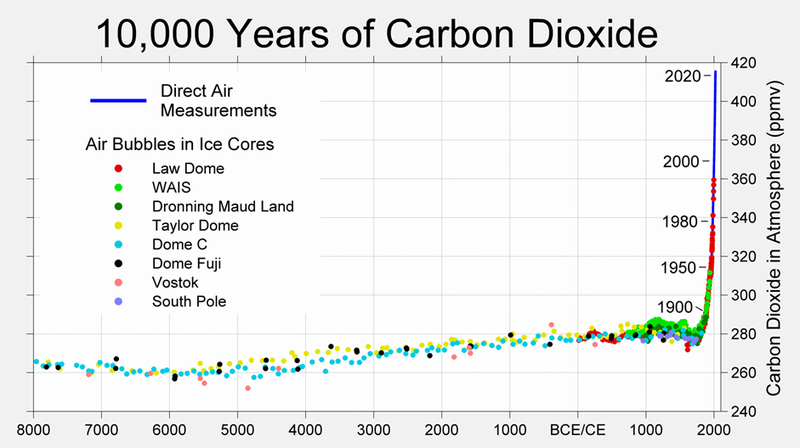
Dat is trouwens niet per se goed nieuws. Figuur 2 liet al zien dat de langzame, natuurlijke variaties in atmosferische CO₂ concentratie voor het begin van de industriële revolutie zijn vervangen door een explosieve toename die samenhangt met het verbranden van fossiele brandstoffen door de mens. Gezien het sterke verband tussen temperatuur en CO₂ in het verleden hoeft het niet te verbazen dat de aarde momenteel sterk opwarmt, met ditmaal CO₂ in de voortrekkersrol. En als niet de helft van de menselijke CO₂ uitstoot was opgenomen door de oceaan en de biosfeer, zou de toename nog eens dubbel zo groot zijn geweest.
Helaas kunnen we onze kennis van terugkoppelingen in het klimaat van het verleden zoals boven beschreven niet een-op-een toepassen op de huidige tijd, daarvoor verschilt een ijstijd-klimaat te veel van het huidige klimaat. Om kantelpunten, zoals het stilvallen van de warme golfstroom in de noordelijke Atlantische Oceaan [10], voor te zijn is het daarom zaak het voorzorgsprincipe te omarmen, met andere woorden, om de uitstoot van CO₂ en andere broeikasgassen zo snel mogelijk tot nul te reduceren.