Gender is van groot belang voor iemands vermogen om met klimaatverandering om te gaan. Klimaatadaptatie – het proces van aanpassen aan de onvermijdelijke gevolgen van klimaatverandering – is moeilijker voor mensen die minder toegang hebben tot hulpbronnen, zoals financiële middelen, sociale netwerken en informatie (bijvoorbeeld over investeringen in irrigatie, het verschuiven van de landbouwkalender of bescherming tegen hitte tijdens de zwangerschap). In veel samenlevingen zijn het vaak de vrouwen die minder toegang hebben tot deze hulpbronnen.
Zo blijkt dat vrouwen in tijden van voedseltekorten vaker afzien van voedsel zodat andere gezinsleden genoeg hebben [3]. Vrouwen worden ook meer geraakt door het gebrek aan toegang tot sanitaire voorzieningen en schoon water [4]. Sommige risico’s treffen specifiek vrouwen, zoals risico’s tijdens de zwangerschap en een verhoogde kans op vroeggeboorte of doodgeboorte als gevolg van hittegolven [5].
Ook de mentale gezondheid van vrouwen loopt gevaar. Huiselijk geweld tegen vrouwen neemt vaak toe na rampen [6]. Het welzijn van vrouwen en jonge meisjes wordt ook beïnvloed doordat hun onderwijs wordt onderbroken door klimaatgerelateerde problemen. Naar schatting kunnen meer dan 12 miljoen meisjes hun school niet afmaken vanwege klimaatstressoren [8]. Soms besluiten gezinnen hun dochters jong uit te huwelijken om met stressvolle situaties of tegenslagen om te gaan [7]. Zonder onderwijs worden jonge vrouwen vanzelfsprekend beroofd van veel andere kansen en de mogelijkheid om zelfstandig hun toekomst vorm te geven. Het wordt dan moeilijk om financieel onafhankelijk te worden of om werk te zoeken buiten de landbouw – een sector die natuurlijk zeer gevoelig is voor klimaatverandering.
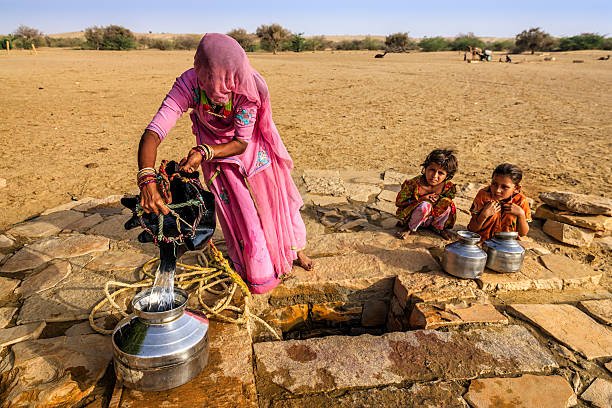
Doordat vrouwen vaak verantwoordelijk zijn voor het verzamelen van brandstof [9] of water [10], moeten zij veel tijd buiten doorbrengen en worden ze vaker blootgesteld aan extreme weersomstandigheden [11]. Dit is ook tijd die ze zouden kunnen besteden aan andere activiteiten, zoals onderwijs. Bovendien kunnen gendergerelateerde normen vrouwen beroven van overlevingsvaardigheden, zoals kunnen zwemmen [12], of hen verplichten tot tradities en plichten die een last vormen in noodsituaties, zoals traditionele kleding of beperkingen op mobiliteit [13].
Toch kunnen extreme klimaatgebeurtenissen soms ook juist mannen nadelig treffen. Sommige studies tonen aan dat tijdens overstromingen en stormen meer mannen omkomen [14], en dat het risico op zelfmoord en depressie onder mannen stijgt tijdens droogteperiodes [15]. Ook zorgt hittebelasting voor een ernstig gezondheidsrisico in de door mannen gedomineerde bouwsector [16].
In het kort, mannen en vrouwen hebben vaak in verschillende mate toegang tot belangrijke hulpbronnen, zoals tijd, geld en informatie, en dit beïnvloedt hun vermogen om om te gaan met de gevolgen van klimaatverandering en gerelateerde rampen. Door gendergerelateerde normen en rollen worden vrouwen in het algemeen zwaarder getroffen en profiteren zij dus het meest van maatregelen die klimaatrisico’s verminderen [17]. Onderzoek laat zien dat landen met meer vrouwen in de regering beter klimaatbeleid voeren [18]. Als meer vrouwen onderwijs volgen, zijn landen beter in staat om met klimaatverandering om te gaan. Door te begrijpen hoe gender de impact van klimaatverandering beïnvloedt kunnen plannen voor de aanpak van klimaatverandering eerlijker en effectiever worden voor iedereen.